
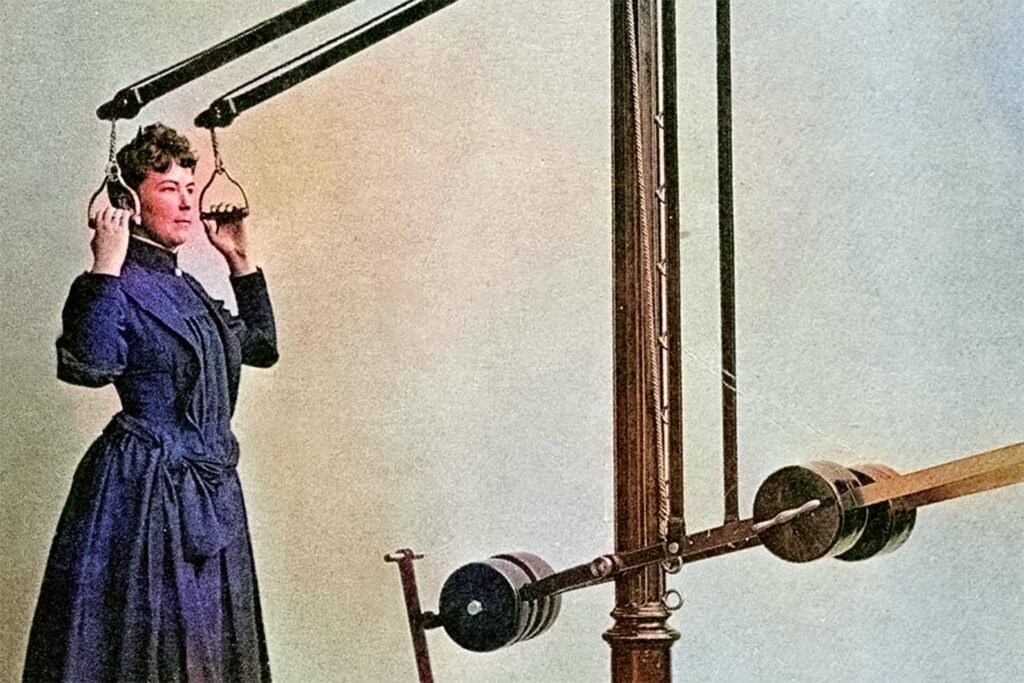
When one imagines the 1800s, visions of poverty, toil, or genteel ladies draped in corsets and gowns often come to mind — not images of exercise. Yet, contrary to that stereotype, women’s fitness did exist in the nineteenth century — albeit in forms scarcely recognisable today.
It was largely among the wealthy that early forms of female exercise found acceptance. Gym-wear, of course, had not been invented: women typically exercised in their regular gowns and corsets. These garments severely restricted movement; as a result, activities like squats or deadlifts were impossible. Instead, exercise emphasised gentle movement — stretching limbs, light bending, posture work — designed to boost circulation and prevent poor posture rather than build muscle or perform intense cardiovascular exertion.
An early example of such regimens appears in the 1827 book A Treatise on Calisthenic Exercises — a manual aimed at “young ladies.” Its backers recommended simple movements: walking in zigzags, skipping, stationary marching, bending limbs, and balance work. A few decades later, educational reformer Catherine Beecher argued for physical education for children of both sexes, proposing light calisthenics, basic ballet steps and arm-circles for young women — still within the bounds of propriety and modest dress.
By the late 1800s, a more dramatic shift began. A Swedish physician, Gustav Zander, developed some of the first gym machines — mechanical apparatuses designed to replicate natural human movements. His “machines for muscle growth over time” promised strength training, but at first they were intended to be used by both men and women — even while wearing full dress. Zander even opened what is often regarded as the world’s first sports hall, offering physical rehabilitation and strength-building services to both sexes — a novel concept at the time.
Still, despite those early advances, it would not be until the next century that women would begin to enjoy widespread access to real sports, proper athletic clothing, or gym facilities. For most of the nineteenth century, physical culture for women remained modest, constrained — literal and social — yet it laid some of the earliest foundations for the fitness revolution that would follow.
In doing so, it challenged — if only subtly — prevailing Victorian assumptions about femininity, health and the female body. For women of a certain class, movement became possible not because it redefined social norms overnight, but because it quietly stretched their boundaries.
Read part 2 – the 1900s here
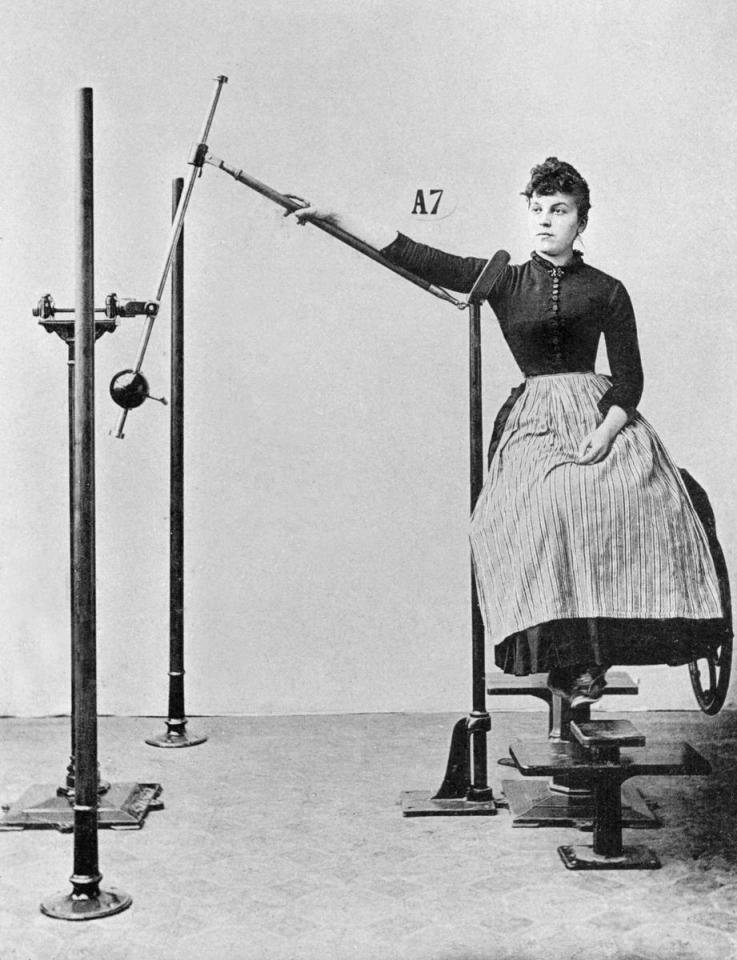
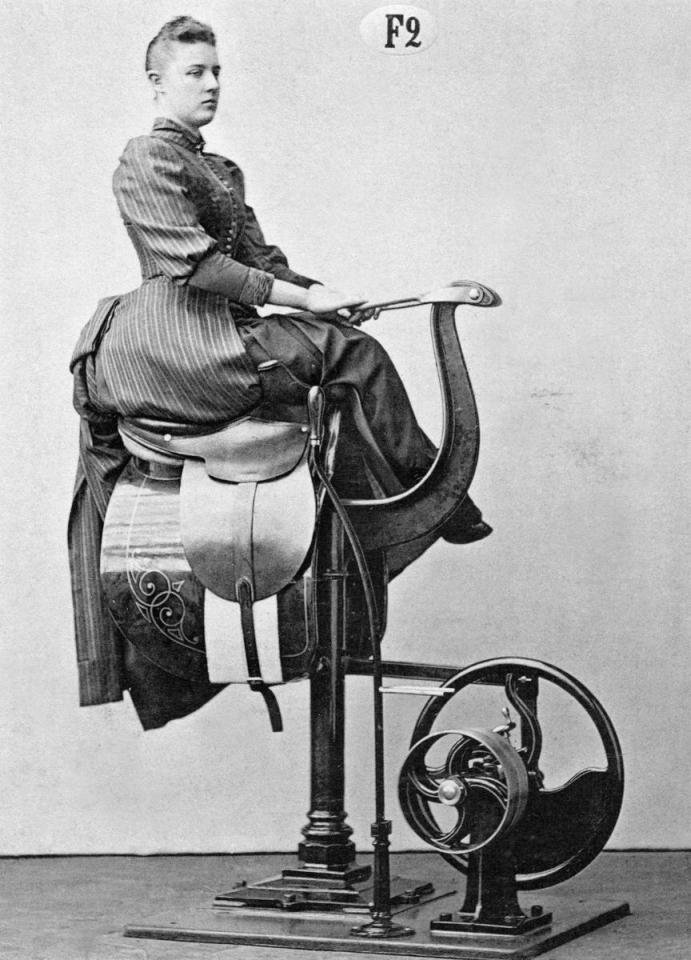
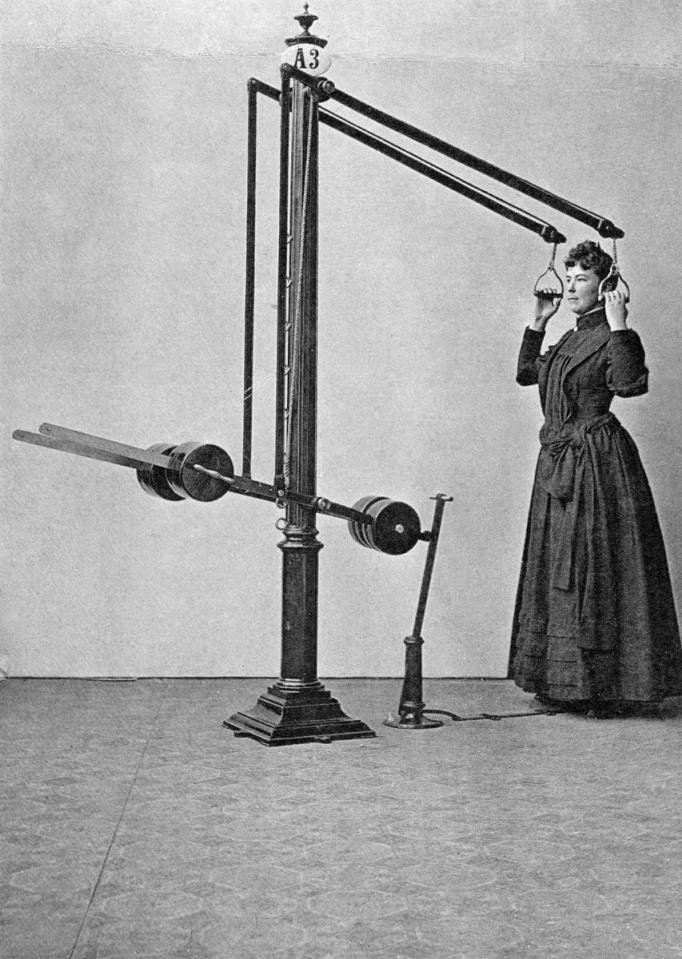
Images from Smithsonian Libraries